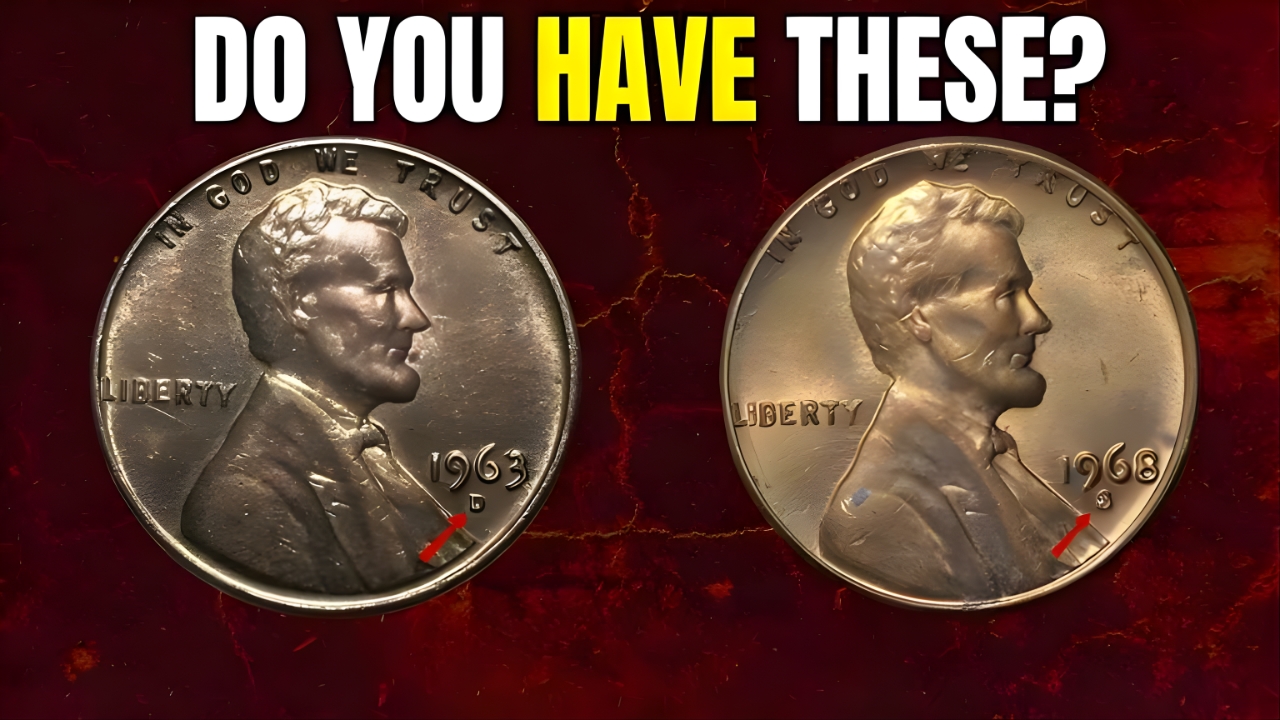
The Lincoln penny has been a staple of American coinage since its introduction in 1909, honoring the 16th President of the United States, Abraham Lincoln. Over more than a century, the penny has become one of the most collected coins, offering a fascinating mix of history, design evolution, and collectible value.
For collectors, understanding the year, mint mark, and rarity of each penny is essential in determining its worth. This guide provides a comprehensive overview of Lincoln pennies, including key dates, mint marks, value factors, and tips for collectors.
Introduction to the Lincoln Penny
The Lincoln penny was introduced in 1909, replacing the Indian Head cent. It was the first U.S. coin to feature a real person instead of symbolic imagery. The obverse of the coin showcases Abraham Lincoln in profile, while the reverse has undergone multiple design changes over the years. Initially, the penny featured the wheat ears reverse, which was later replaced by the Lincoln Memorial in 1959, and most recently, the Union Shield design in 2010.
Collectors value Lincoln pennies not only for their historical significance but also for their potential as investment pieces. Some rare pennies can be worth thousands of dollars, particularly those with low mintage, errors, or coins in pristine condition.
Understanding Mint Marks
Mint marks indicate the U.S. Mint facility where the coin was produced. These marks are typically found below the date on the obverse of the penny. The main mint marks for Lincoln pennies are:
No Mint Mark: Coins minted in Philadelphia before 2017 often have no mint mark. Early Philadelphia pennies can be particularly valuable in good condition.
D (Denver): Denver pennies feature a small “D” below the date. Coins from this mint can be scarce in certain years and highly collectible.
S (San Francisco): San Francisco primarily produces proof coins, which are struck with extra care and mirror-like finishes. These coins are generally intended for collectors rather than circulation.
Identifying the correct mint mark is crucial for determining rarity and value. Certain mint-mint combinations, such as the 1909-S VDB penny, are among the most sought-after by collectors.
Key Lincoln Penny Years to Watch
Some Lincoln pennies are especially valuable due to their historical significance, low mintage, or errors. Notable examples include:
1909-S VDB: This is the first year of issue with designer Victor David Brenner’s initials (VDB) on the reverse. Only 484,000 were minted in San Francisco, making it extremely rare.
1914-D: With only 1.2 million minted, this penny is highly prized, particularly in uncirculated condition.

1922 No D: Denver-minted pennies were not officially recorded in 1922, making those with a faint “D” mint mark rare and valuable.
1931-S: The Great Depression caused low mintage in San Francisco, making this year a key collectible.
1943 Copper Penny: Most pennies were made of steel that year due to copper shortages, but a few copper versions exist and are extremely rare.
Collectors should pay attention to these key years, as coins from these runs often appreciate in value and are considered cornerstones of any Lincoln penny collection.
Understanding Coin Grading
The condition of a Lincoln penny significantly affects its value. Coins are graded on a scale from 1 to 70, known as the Sheldon scale. Common grading categories include:
Good (G-4 to G-6): Coins are heavily worn, with the design visible but faint.
Very Fine (VF-20 to VF-35): Moderate wear, with major details visible.
Extremely Fine (EF-40 to EF-45): Light wear, with almost all details intact.
About Uncirculated (AU-50 to AU-58): Minimal wear, with luster mostly preserved.
Mint State (MS-60 to MS-70): Uncirculated coins with no wear. Higher grades (MS-65+) are particularly valuable.
Professional coin grading services provide certification that helps establish a coin’s authenticity and market value. Coins with higher grades command significant premiums, especially for rare dates and mint marks.
Common Lincoln Penny Varieties
Over the years, several varieties and special editions of Lincoln pennies have emerged, adding interest for collectors:
Wheat Ears Reverse (1909–1958): Characterized by two wheat stalks, this reverse design is highly collectible.
Lincoln Memorial Reverse (1959–2008): Introduced for Lincoln’s 150th birthday, featuring the Lincoln Memorial.
Union Shield Reverse (2010–Present): A modern design representing the unity of the states.
Proof Coins: High-quality coins with mirror-like finishes, struck for collectors rather than circulation.
Error Coins: Include off-center strikes, double dies, and incorrect planchets. These anomalies can significantly increase a coin’s value.
Collecting different varieties allows enthusiasts to build diverse and visually interesting collections.
Factors Affecting Penny Value
Several factors influence the value of Lincoln pennies:
Rarity: Low mintage and rare mint-mint-year combinations increase value. Condition: Higher-grade coins command higher prices.
Errors: Coins with minting mistakes often attract premiums.
Historical Significance: Early issues, such as the first 1909 pennies, are more valuable.
Market Demand: Collector interest fluctuates, affecting prices for certain years and types.
Understanding these factors can help collectors make informed purchasing and selling decisions.
Storage and Preservation Tips
Proper storage is essential to maintain the condition of Lincoln pennies. Coins should be kept in protective holders, albums, or airtight capsules to prevent scratches, corrosion, and tarnish. Avoid touching the surface with bare hands, as oils and dirt can damage the coin over time. Temperature and humidity control further protects coins from environmental damage.
For valuable coins, professional storage services or safety deposit boxes provide additional security. Keeping documentation such as certificates of authenticity and grading reports helps preserve the coin’s provenance and marketability.
Collecting Strategies
Collectors can approach Lincoln pennies in several ways:
Complete Year Sets: Collecting one coin from each year and mint mark combination.
Key Date Collection: Focusing on the most valuable or rare pennies, such as the 1909-S VDB or 1922 no D.
Error Coin Collection: Seeking out unusual minting mistakes that offer unique value.
Condition-Focused Collection: Prioritizing high-grade coins for investment potential.
Each strategy offers a different experience and potential return, depending on the collector’s goals and budget.
Final Verdict
The Lincoln penny remains one of America’s most cherished and collectible coins. The combination of historical significance, variety of mint marks, rare errors, and grading opportunities make it a versatile and rewarding coin to collect.
Whether building a complete set, pursuing key dates, or seeking high-grade specimens, Lincoln pennies offer collectors both enjoyment and potential investment value. Understanding mint marks, years, errors, and grading standards ensures that collectors can make informed decisions while building a valuable and historically rich collection.
Disclaimer
This article is based on historical data, U.S. Mint information, and industry expectations for Lincoln pennies. Values, mint marks, grading, and rarity may vary. Readers should verify all information with authorized dealers, grading services, or official sources before making purchases or investment decisions.
