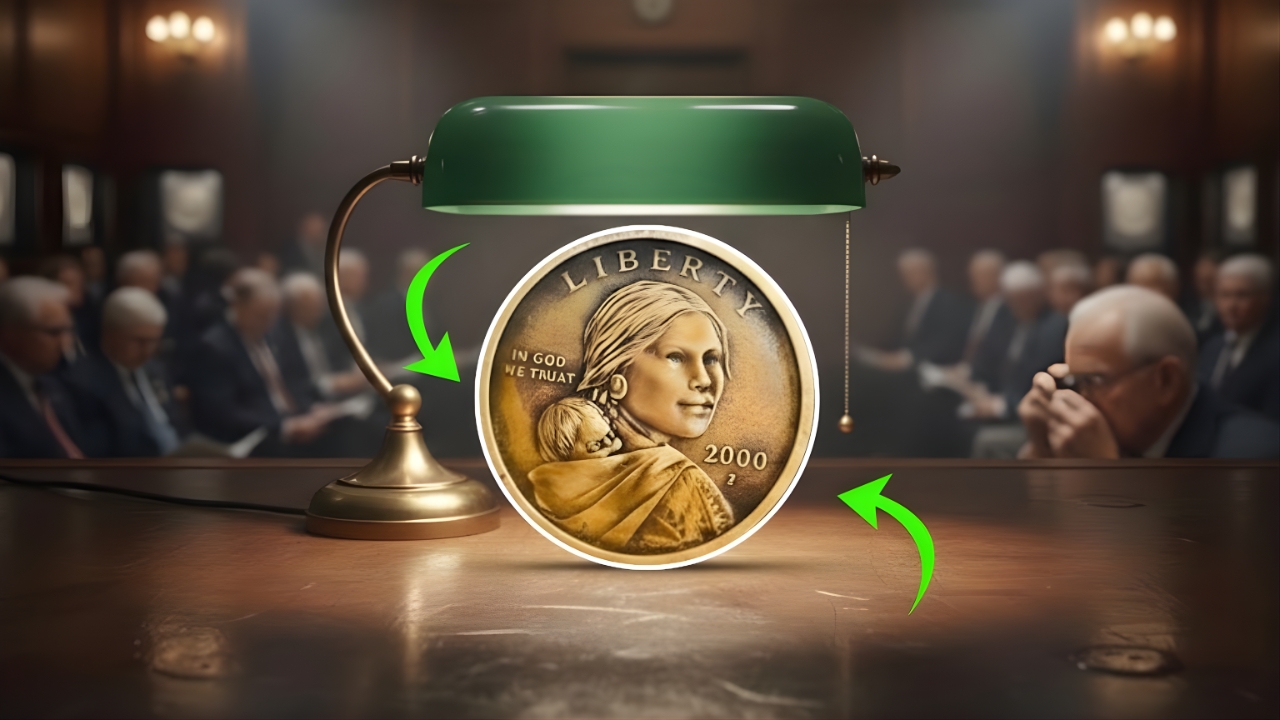
The Sacagawea dollar coin has become a favorite among collectors since its introduction in 2000. Celebrating the Shoshone woman Sacagawea, who guided the Lewis and Clark expedition, the coin is notable for its distinctive golden color, smooth edges, and historical significance. Over the years, Sacagawea dollars have developed a collector following due to key dates, mint marks, errors, and grading variations that affect value. The 2026 Sacagawea dollar continues this legacy, offering enthusiasts new opportunities to add rare and valuable pieces to their collections.
This guide explores the value of Sacagawea dollar coins in 2026, including mint marks, common errors, grading considerations, and expert collector advice for making informed decisions.
Introduction to the Sacagawea Dollar Coin
The Sacagawea dollar coin was first issued in 2000, designed to replace the Susan B. Anthony dollar. Its golden appearance comes from a manganese-brass composition, giving it a distinctive color that sets it apart from traditional silver and copper coins. The obverse features Sacagawea carrying her infant son, Jean Baptiste, while the reverse has undergone several design updates, including the eagle design (2000–2008) and Native American themes (2009–present).
Collectors value the coin for both its historical significance and its role in modern U.S. coinage. While the Sacagawea dollar is intended for circulation, many examples have remained uncirculated or preserved in mint sets, adding to their collectibility.
Understanding Mint Marks
Mint marks indicate the facility where the coin was produced and are critical in determining its rarity and value. For Sacagawea dollars, the main mint marks include:
P (Philadelphia): Philadelphia-minted coins are common in circulation, but uncirculated or proof coins from this mint may carry higher value.
D (Denver): Coins from the Denver mint are widely produced, with certain years being more sought after by collectors.
S (San Francisco): Typically associated with proof coins or special collector editions. These coins often have a mirror-like finish and command premiums in the market.
Understanding the mint mark is essential when evaluating the coin’s value, as some mint-year combinations are rarer and more valuable than others.
Key Sacagawea Dollar Years
Certain years of the Sacagawea dollar are considered more collectible due to low mintages, historical significance, or the introduction of special designs:
2000-P and 2000-D: The first year of issuance, these coins are highly sought after, particularly in uncirculated condition or from mint sets.
2009 Native American Series: This year introduced annual reverse designs celebrating Native American contributions, increasing collector interest.
Limited Edition Proofs: Proof coins from select years, often struck in San Francisco, are prized for their quality and rarity.

Special Issues and Commemoratives: Occasionally, special editions or packaging releases create high demand among collectors.
Being aware of key years helps collectors focus their efforts and invest in coins with long-term value potential.
Common Sacagawea Dollar Errors
Error coins are often highly collectible, and Sacagawea dollars are no exception. Collectors seek out coins with unusual features, which can significantly increase market value. Common errors include:
Double Dies: Coins where the design is struck twice in slightly different positions, creating a noticeable doubling effect.
Off-Center Strikes: Coins where the design is misaligned on the planchet, often leaving part of the edge blank.
Die Cracks: Visible cracks in the die used to strike the coin, which appear as raised lines on the surface of the coin.
Missing or Misplaced Mint Marks: Coins with absent or misaligned mint marks are rare and highly sought after.
Collectors should examine coins carefully for these errors, as even minor anomalies can significantly enhance a coin’s value.
Grading Sacagawea Dollars
The condition of a coin is one of the most critical factors in determining its value. Sacagawea dollars are graded using the Sheldon scale, ranging from 1 (poor) to 70 (perfect mint state). Key grading categories include:
Good (G-4 to G-6): Coins are worn, but major design elements are visible.
Very Fine (VF-20 to VF-35): Moderate wear with most details clear.
Extremely Fine (EF-40 to EF-45): Light wear, almost all details intact.
About Uncirculated (AU-50 to AU-58): Minimal wear with much of the original luster.
Mint State (MS-60 to MS-70): Uncirculated coins with no signs of wear. High-grade coins in MS-65 or higher can command significant premiums.
Professional coin grading services can certify the authenticity and grade of a Sacagawea dollar, helping collectors confidently assess value and resell coins.
Factors Affecting Value
Several key factors influence the market value of Sacagawea dollars:
Rarity: Coins with low mintage or unique mint-year combinations are more valuable.
Condition: Higher-grade coins are worth more than heavily circulated examples.
Errors: Mistakes during production increase desirability among collectors.
Historical Significance: Coins from milestone years or special series hold extra interest.
Market Demand: Popularity of specific designs, such as the Native American series, affects pricing.
Understanding these factors helps collectors make informed decisions when buying or selling Sacagawea dollars.
Storage and Preservation Tips
Preserving the condition of a Sacagawea dollar is essential for maintaining its value. Coins should be handled carefully, preferably by the edges, to avoid fingerprints or oils damaging the surface. Protective storage options include:
Coin Holders and Flips: Keep coins separated and protected from scratches.
Albums and Display Cases: Organize coins while maintaining protection from environmental factors.
Airtight Capsules: Ideal for high-value or proof coins to preserve luster and prevent oxidation.
Climate Control: Avoid excessive heat, humidity, or sunlight, which can damage the coin’s appearance.
Proper care ensures coins retain their collectible value for years to come.
Tips for Collectors
Collecting Sacagawea dollars can be both enjoyable and rewarding. Here are some expert tips:
Focus on Key Dates and Mint Marks: Prioritize coins that are historically significant or have low mintage.
Check for Errors: Carefully examine coins for doubling, off-center strikes, or missing mint marks.
Consider Grading Services: Professionally graded coins offer verification of authenticity and value.
Diversify Your Collection: Include proof coins, circulation examples, and special series for variety.
Stay Informed: Follow market trends, auction results, and dealer updates to understand the current value landscape.
By following these strategies, collectors can build a strong, valuable collection over time.
Final Verdict
The Sacagawea dollar remains one of the most intriguing modern U.S. coins for collectors. Its unique design, historical significance, and the presence of rare mint years and error coins make it a versatile and rewarding addition to any collection.
By paying close attention to mint marks, grading, and key errors, collectors can identify coins with potential for long-term value. For both novice and seasoned collectors, the Sacagawea dollar offers opportunities to enjoy history, artistry, and investment potential all in one coin.
Disclaimer
This article is based on historical data, U.S. Mint information, and industry expectations for Sacagawea dollar coins. Values, mint marks, grading, and rarity may vary. Readers should confirm all details with authorized dealers, grading services, or official sources before making any purchasing or investment decisions.
