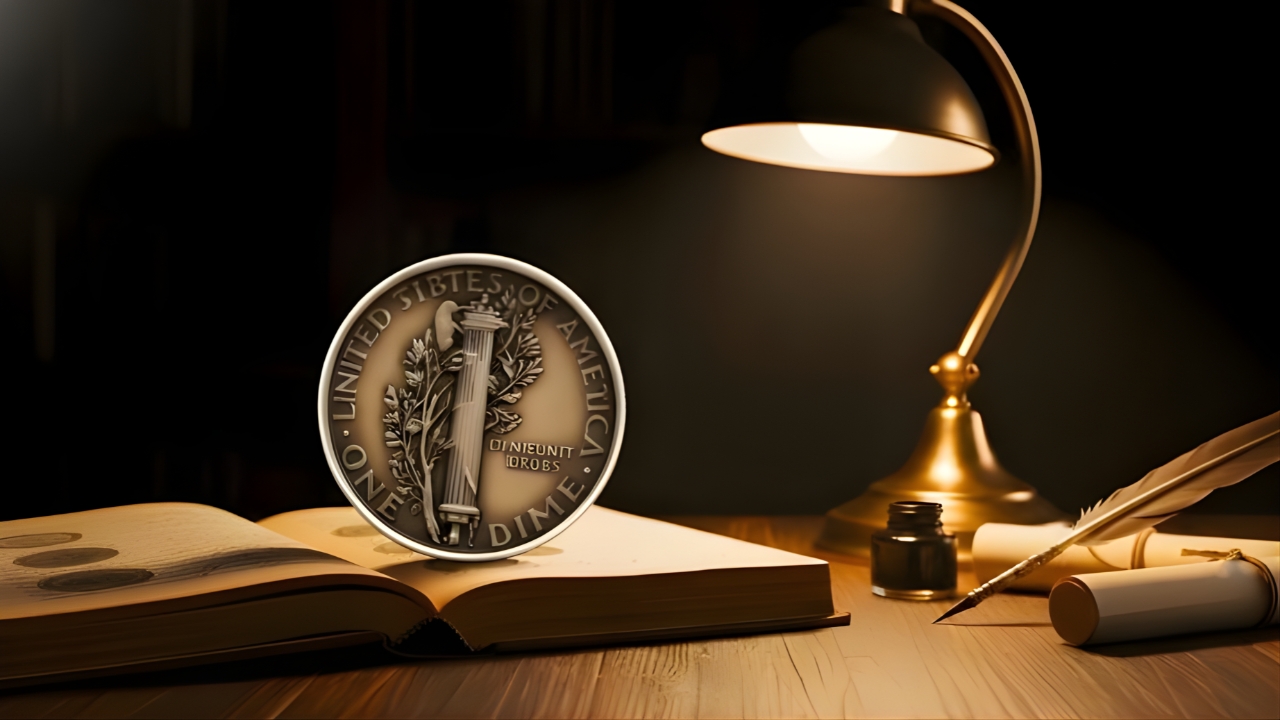
The Mercury Dime, officially known as the Winged Liberty Head dime, is one of the most beloved and historically significant coins in U.S. numismatics. Minted from 1916 to 1945, this ten-cent coin is renowned for its elegant design by Adolph A. Weinman, featuring Liberty wearing a winged cap, symbolizing freedom of thought. While most Mercury Dimes are fairly common, certain rare examples have fetched staggering amounts at auction, with some coins valued at over $1.1 million.
For collectors, identifying rare Mercury Dimes, understanding mint marks, grading coins, and recognizing key errors is essential for building a valuable collection. This comprehensive guide explores all aspects of Mercury Dime collecting, helping enthusiasts navigate the market and make informed decisions.
Introduction to the Mercury Dime
The Mercury Dime was introduced in 1916 as part of a series of new coin designs intended to modernize U.S. currency. The obverse features Liberty with a winged Phrygian cap, often mistaken for the Roman god Mercury, hence the popular nickname. The reverse showcases a fasces and olive branch, symbolizing strength and peace.
The Mercury Dime quickly became a favorite among collectors due to its artistic design, historical significance, and high silver content. Despite its small size, the dime carries considerable appeal for both beginners and advanced numismatists, especially when rare dates, mint marks, and errors are taken into account.
Key Mercury Dime Years That Drive Value
Not all Mercury Dimes are created equal. Certain years and mint marks are highly sought after due to low mintage numbers or unique characteristics. Some of the most valuable coins include:
1916-D: This Denver-minted dime is one of the rarest in the series, with only 264,000 coins produced. High-grade examples can reach six figures.
1921-D: A low-mintage Denver coin that is extremely scarce in Mint State condition.
1916-S: A San Francisco coin with limited production, highly prized among collectors.
1942/1 Overdate: An error coin where the “1” in the date was stamped over a “2,” making it highly collectible.
1917-S and 1918-S: Early San Francisco coins that command premiums, particularly in uncirculated condition.
Knowing these key years allows collectors to target coins with the highest potential value and rarity.
Understanding Mint Marks
Mint marks are small letters on the coin indicating where it was produced, and they can significantly impact a Mercury Dime’s value. The main facilities include:
D (Denver): Many of the rarest Mercury Dimes were produced here, including the 1916-
D. S (San Francisco): Lower mintage in early years often makes S-mint coins more valuable.
No Mint Mark (Philadelphia): While most Philadelphia dimes are common, certain dates remain highly collectible.
Correctly identifying mint marks is critical, especially for key dates and high-value coins, as even small differences can greatly affect market prices.
Notable Errors and Varieties
Collectors pay close attention to Mercury Dimes with known errors or varieties, as these coins can command significant premiums. Key examples include:
Double Dies: Coins showing doubling on the date or lettering are among the most sought-after.
Repunched Mint Marks: Coins where the mint mark was struck more than once can be rare.
Off-Center Strikes: Dimes struck off-center create unique variations that appeal to collectors.
Die Cracks and Cuds: Flaws in the die that result in raised lines or areas on the coin.
Even minor anomalies can add value, particularly when paired with desirable years and high-grade coins.
Grading Mercury Dimes
The condition of a Mercury Dime is crucial in determining its value. Coins are graded on the Sheldon scale, which ranges from 1 (poor) to 70 (perfect Mint State). Major categories include:
Good (G-4 to G-6): Heavy wear but major details visible.
Very Fine (VF-20 to VF-35): Moderate wear with most details clear.
Extremely Fine (EF-40 to EF-45): Light wear on high points, design nearly complete.
About Uncirculated (AU-50 to AU-58): Minimal wear, original luster visible.
Mint State (MS-60 to MS-70): Uncirculated with no signs of wear; top-grade examples are extremely valuable.
Professional grading services like PCGS and NGC provide verified grades that enhance both collector confidence and market value.
Market Trends and Current Values
The value of Mercury Dimes varies depending on rarity, condition, and collector demand. While common dates may sell for $2 to $20, rare examples, particularly key dates in high grades, can command extraordinary sums. Some of the most notable values include:
1916-D MS-65: $1.1 million or mor
1921-D MS-64: $200,000–$250,000
1916-S MS-66: $150,000–$200,000
1942/1 Overdate MS-65: $50,000–$70,000
Auction prices reflect both scarcity and demand, with high-grade coins commanding the highest premiums.
Identification Tips for Collectors
Accurate identification is essential for Mercury Dime collectors. Key tips include:
Examine the Date: Ensure the date is clear, especially for overdates or double dies.
Check Mint Marks: Verify the presence, placement, and quality of the D or S mint marks.
Inspect for Errors: Look for doubling, off-center strikes, or die cracks.
Assess Wear: Identify high points and compare against grading charts to estimate condition.
Use Magnification: A loupe or microscope helps spot subtle details invisible to the naked eye.
By following these tips, collectors can confidently identify valuable coins and avoid common pitfalls.
Storage and Preservation
Proper care preserves both value and condition. Recommended practices include:
Use Coin Holders or Capsules: Protect coins from scratches and environmental damage.
Store in a Stable Environment: Avoid extreme temperatures and humidity.
Handle Sparingly: Use gloves or hold coins by the edges to prevent oils from damaging the surface.
Separate by Value and Date: Organize collections to prevent accidental mix-ups or damage.
Well-preserved Mercury Dimes maintain their value and appeal over time, making careful storage essential.
Investing in Mercury Dimes
Beyond personal enjoyment, Mercury Dimes can serve as a long-term investment. Rare coins, particularly key dates and high-grade examples, tend to appreciate steadily. Collectors and investors should diversify their acquisitions by including a mix of rare dates, mint marks, and certified high-grade coins. Patience and research are essential for maximizing returns while building a collection that holds historical and monetary value.
Final Verdict
The Mercury Dime remains one of the most iconic and collectible coins in American numismatics. While most coins are modestly priced, rare examples, especially in high grades or with notable errors, can command extraordinary sums, with some exceeding $1.1 million.
By understanding key dates, mint marks, errors, and grading, collectors can make informed decisions and build valuable collections. Whether collected for historical significance, aesthetic appeal, or investment potential, Mercury Dimes continue to captivate enthusiasts worldwide.
Disclaimer
This article is based on historical data, auction results, and numismatic information. Coin values fluctuate depending on market conditions, rarity, and condition. Readers should verify all details with professional grading services, authorized dealers, or official sources before making any purchasing or investment decisions.
